
Rewiring the State: What the Government’s devolution plan means for the built environment
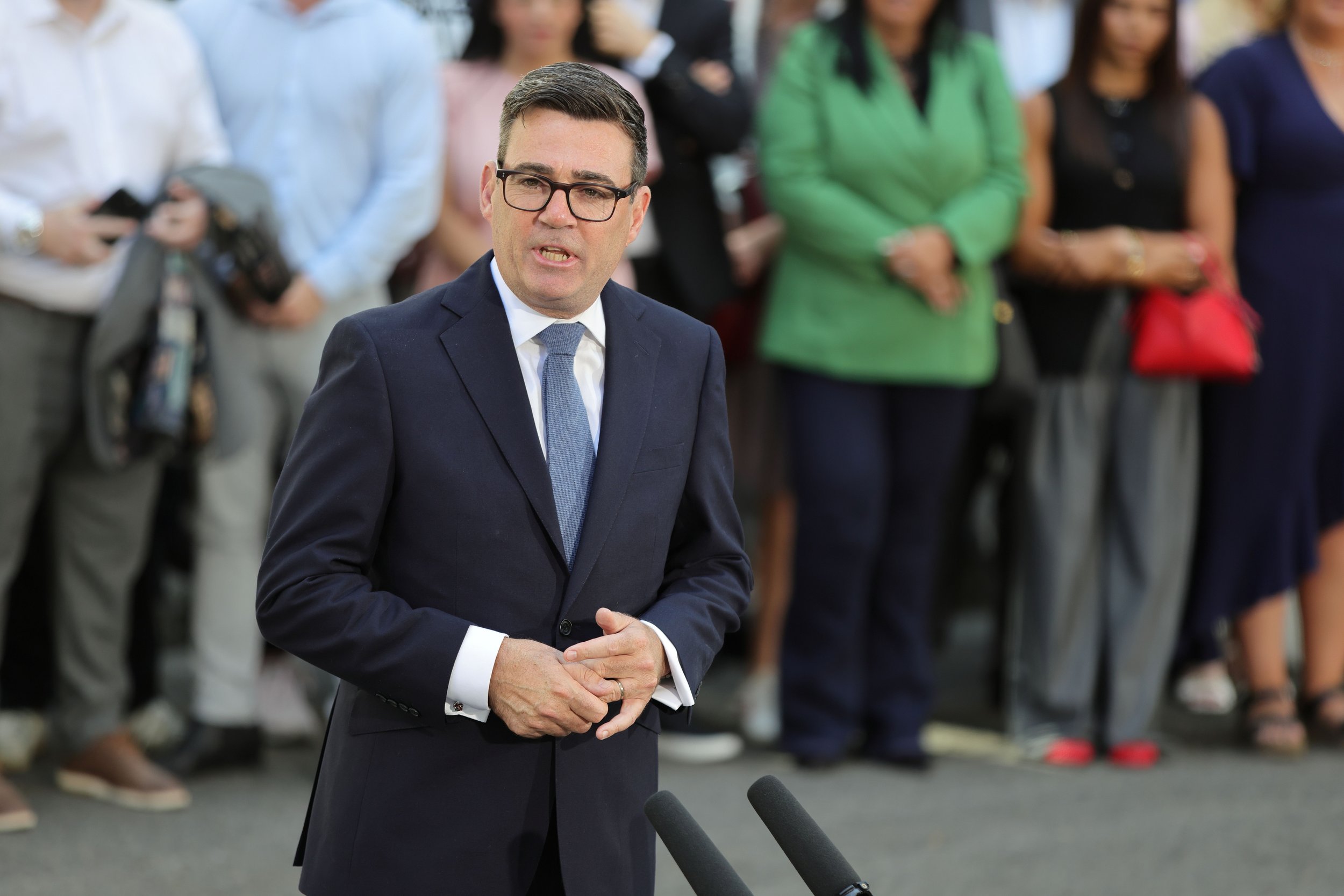
Andy Burnham
Last week (Friday 31 July), Andy Burnham's Government unveiled what it described as a fundamental "rewiring of the state", using a unique Cabinet Statement to set out a programme to transfer powers, funding and decision-making from Whitehall to local leaders.
While much of the immediate coverage has focused on reforms to tax and spending powers, the built environment sector could be the most significantly impacted. For developers, investors, and local authorities, the vision points towards a very different delivery landscape over the next few years.
A more powerful local state
At the heart of the plan is a simple idea: growth is more likely to happen when decisions are defined and made closer to the economies they affect.
The Government wants strategic authorities and elected mayors to become the primary drivers of local growth. That means greater responsibility for planning, transport, housing, skills, innovation and elements of public service delivery. The ambition is to move away from central decision-making and towards genuinely place-based leadership.
For the built environment industry, this reinforces the direction of travel we've seen since 2017.
Local leadership will no longer be about spending the money Whitehall offers (and in the way Whitehall prescribes). It will be about shaping economic strategy, infrastructure investment and public sector coordination - with flexible funding to enable and reward this approach.
Planning will become more strategic
Although the Cabinet statement which accompanied last week’s announcement contains relatively little detail on planning reform, there are important signals.
Strategic authorities will receive greater recognition within the planning system, alongside support for development corporations to accelerate housing and infrastructure delivery. Mayors will also gain greater influence over transport investment and wider infrastructure planning.
These reforms are not new and have been in progress since 2024. But it suggests an even stronger emphasis on integrated spatial planning, where transport, housing, economic development and infrastructure are considered as part of a single growth strategy which spans a regional economy rather than fragmented local authority areas.
In theory that means better decision-making about regional infrastructure. In practice, it can often lead to a political bun-fight over housing numbers and allocations. Skilled political leadership will be required to ensure it is the former.
Funding follows responsibility
Perhaps the most significant long-term proposal is fiscal devolution.
The Government intends to replace many central government grants with locally retained tax revenues, including a share of income tax from 2028 alongside greater business rates retention. Strategic authorities will also be able to introduce an Overnight Visitor Levy where appropriate.
This represents a substantial change in incentives and mirrors successful schemes such as the Birmingham Enterprise Zone which has been able to retain, borrow and invest against Business Rates uplift for several years - with great success.
That means rather than rely on Whitehall funding settlements (so-called 'begging bowl' politics), local leaders will have a much stronger financial interest in supporting economic growth, attracting investment and expanding their local tax base.
Whilst some Mayors - notably Tees Valley’s Ben Houchen - have floated the idea of offering residents a tax rebate, we would expect most Mayors to seize the opportunity to invest in growing their economies.
Stronger institutions must follow
There will be a great deal of emphasis on institutional capacity.
The Government recognises that additional powers need to be accompanied by additional capacity and governance. Strategic authorities will require stronger leadership, additional expertise and greater organisational capability to deliver increasingly complex responsibilities.
A programme of capacity building, secondments from central government and enhanced accountability arrangements will accompany reform.
Directly elected Mayors are the Government's preferred model but they won't be forced on areas which don't want them. If Mayors are rejected, local areas will have to define their own models of local leadership which can accommodate the Government's plan.
What happens next?
The immediate announcement sets the direction rather than delivering the full reforms. We expect more to come in a White Paper in the autumn and in the next Budget.
The Government intends every area in England to have, or be establishing, a strategic authority by the end of 2027, with full national coverage by 2028. This work was already well underway as part of reforms set out under Keir Starmer. However, some areas may still find they are behind and must catch up at pace.
Regardless, relationships with strategic authorities, combined authorities and elected mayors will become critical as more decisions affecting development, infrastructure and investment move down to the regional and local level.