
Putting local knowledge at the heart of East Birmingham’s growth
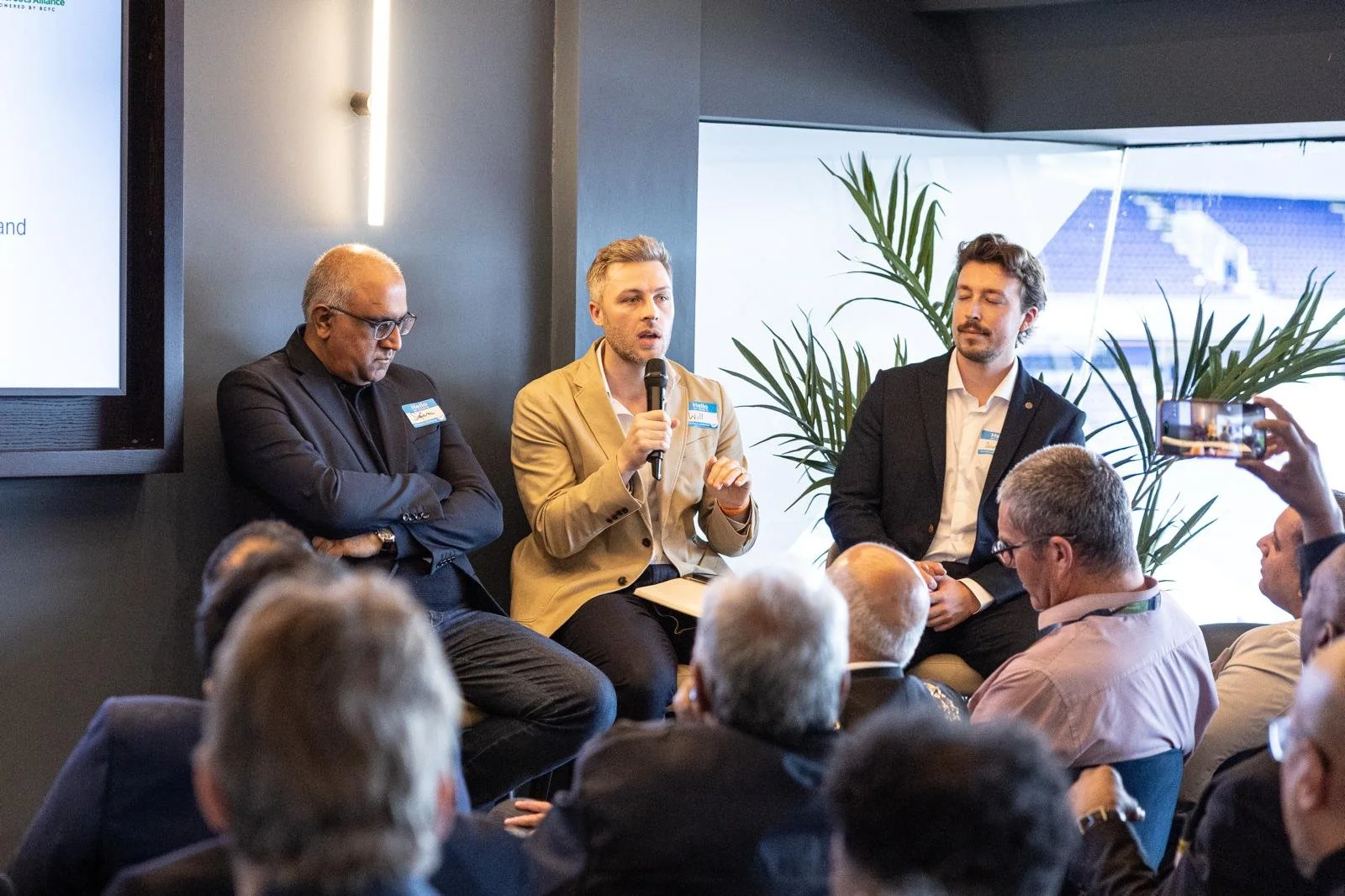
Marca Strategy’s Founder and Managing Director, Will Savage, joined the panel at the launch of the East Birmingham Community Alliance this week, discussing how businesses and their advisers can help community knowledge shape decisions and create opportunity.
The Alliance launches at an important moment. From HS2 and Smithfield to Digbeth and the Sports Quarter, a wave of investment and regeneration offers significant opportunities for East Birmingham in the years ahead.
The work to ensure local people can shape and benefit from that investment starts now. Businesses, institutions, investors and their advisers all have a role in connecting the ambitions of major projects with the knowledge, talent and enterprise already present in local communities.
Will’s contribution focused on three practical priorities: giving community insight greater standing, understanding how people engage, and turning what we hear into action.
In planning and regeneration, considerable resources go into collecting and analysing technical evidence. Transport assessments, environmental studies and economic forecasts help inform decisions about how places develop.
Community knowledge deserves the same seriousness.
Someone living or running a business in an area understands how it works in practice. They may know why a walking route feels unsafe, how a bus timetable limits access to employment, or what prevents a small business from competing for a contract.
Those insights can reveal barriers that need closer investigation and opportunities that a project team might otherwise overlook. They should be recorded, considered alongside technical evidence and given a clear route into decisions about design, investment and delivery.
Gathering that knowledge requires time and care. Before choosing engagement channels, project teams need to understand where different groups receive information, who they trust and how they prefer to contribute.
That could mean working through community organisations, schools, faith groups and local businesses, using established digital networks, or making space for conversations in familiar places. Timing, language and accessibility also affect who can participate.
Investing in that understanding up front helps teams hear a wider range of perspectives and build relationships that can continue as projects develop. Engagement needs to begin while meaningful choices are still open, with clarity about what people can influence and who will make the decisions.
The next responsibility is to act on what people share.
If local businesses identify barriers to bidding for work, that should inform how contracts are structured and advertised. If residents describe difficulties accessing employment, their experience should help shape recruitment, training and conversations about transport or childcare.
People should then be able to see what happened as a result of their involvement. Commitments need owners, progress needs to be communicated, and decisions need to be explained, including where a suggestion could not be taken forward.
No single investor can address every issue. Bringing the right partners together is therefore an essential part of the task. Developers, employers, public bodies, training providers and community organisations each have expertise and resources that can contribute to a shared outcome.
Consultants have a particular responsibility in that process. Working between businesses, institutions and communities means carrying local perspectives into the rooms where decisions are made, including when those perspectives challenge established assumptions. It also means helping clients identify a practical response.
The East Birmingham Community Alliance offers a timely opportunity to strengthen those connections.
At Marca Strategy, we see this as central to effective regeneration: understanding a place, building relationships and helping partners turn shared ambition into opportunities that local people can access.