
‘Manchesterism’: What it means for regeneration and regional growth
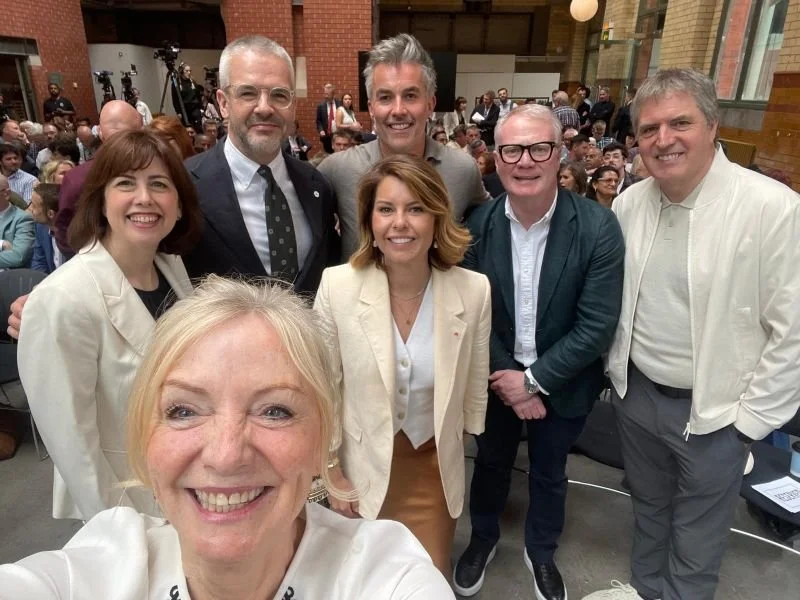
Labour’s metro mayors at Andy Burnham’s Manchester speech
Andy Burnham's speech in Manchester today (29 June) will be analysed through the lens of party politics and leadership. For those working in planning, regeneration and economic development, there is a more interesting story.
Burnham set out a vision for a fundamental change in how Britain is governed. His central argument is that economic growth cannot be directed from Whitehall. Instead, it must be built "from the bottom up", with greater power, responsibility and investment flowing to places.
This accelerates and deepens a trend that has been gathering pace since the advent of Combined Authorities in 2017. Indeed, the broad direction of travel was part of Labour's 2024 manifesto.
It is now set to be turbo-charged.
Successive Labour reforms have already strengthened the role of Combined Authorities, expanded mayoral powers and reintroduced strategic planning.
However, Burnham's speech suggests we will move beyond a straightforward programme of devolution, towards a fundamental redesign of the relationship between central and regional government.
The proposal for a permanent "No.10 North" in Manchester - with Caroline Simpson (current CEO of GMCA) at the helm - illustrates the point.
Less about relocating government than 'rewiring' it. Burnham described it as the coordinating hub for his three big themes - reform of utilities, reindustrialisation, and regeneration.
It will help regions develop their own growth ambitions while ensuring Whitehall works with, rather than against, local leaders.
For the built environment sector, the implications could be profound. Regeneration and housing will be central to the plan.
His emphasis was on long-term investment, infrastructure, housing, R&D and public-private collaboration as the foundations of what he described as "good growth". Housing as a lever to bring activity back to town centres, reform of rates to give businesses a fighting chance, university partnerships to harness regional innovation.
It is a model taken straight from the Greater Manchester playbook.
Equally notable was emphasis on partnership.
Greater Manchester's success, he argued, has been built through collaboration between local government, businesses, universities, communities and investors. That is a familiar model to those delivering complex regeneration, where successful outcomes depend on aligned public and private sector leadership.
Policy detail was - understandably - light, but the centre of gravity in UK politics is shifting.
Combined Authorities and strategic authorities are becoming more influential. National decisions about growth, infrastructure and investment look set to be defined at city-region level.
For developers, investors and public sector partners, that means engagement with mayoral institutions and strategic authorities may become more important than Whitehall.
The next few months could be fun.