
LGR: Keeping growth moving through uncertainty
The pause to local government reorganisation leaves councils and investors across the Midlands to make decisions while the shape of local government over the coming years remains unsettled.
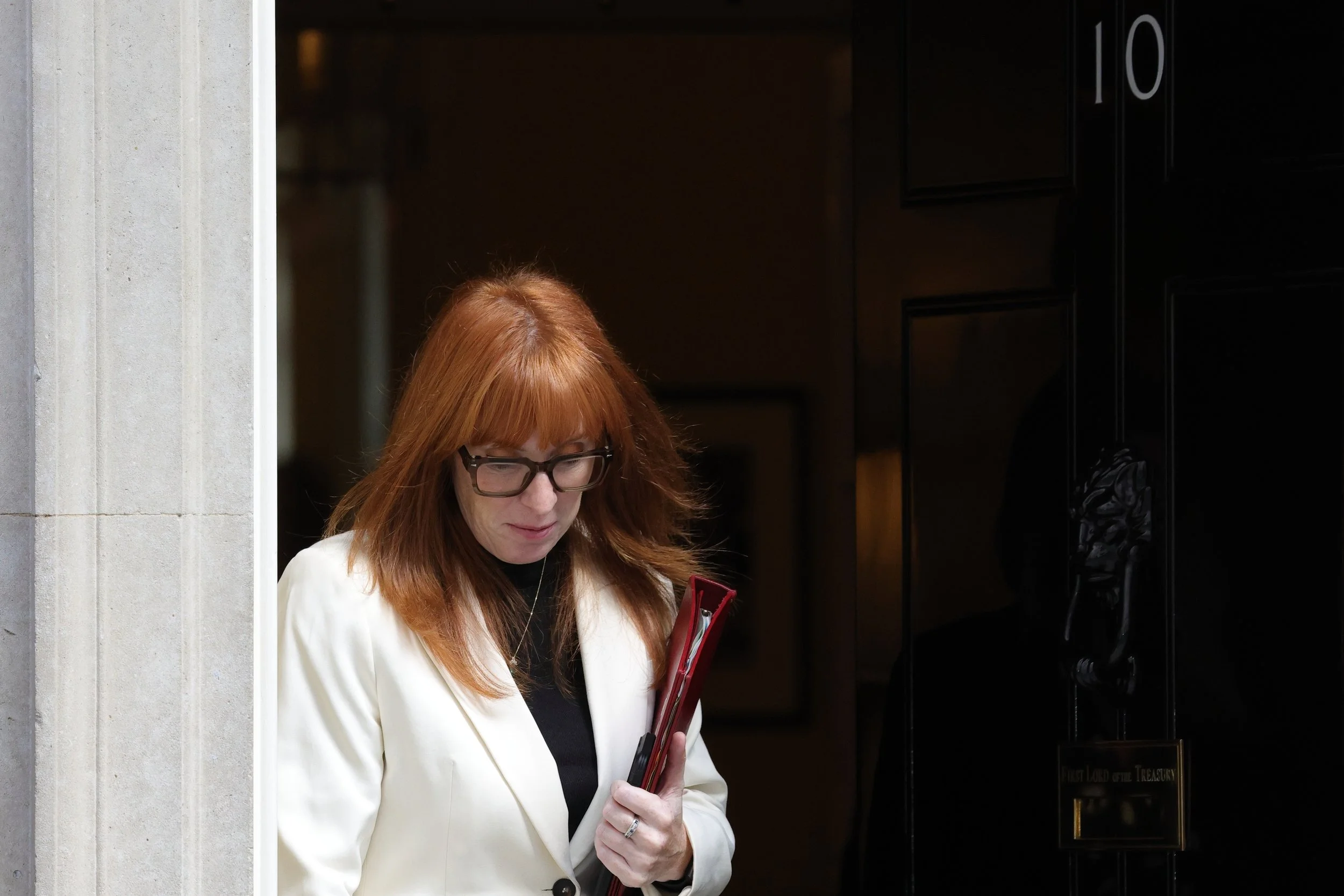
The government has launched a review following updated legal advice. Decisions for Essex, Hampshire, Norfolk and Suffolk have been withdrawn, while plans for other areas are being paused and reviewed. Surrey is unaffected. Angela Rayner has also confirmed that May 2027's local elections will proceed on existing council boundaries.
This interrupts preparations for a substantial change. In Warwickshire, July’s initial decision envisaged replacing six councils with two unitary authorities from April 2028: one covering North Warwickshire, Nuneaton and Bedworth, and Rugby; the other covering Warwick and Stratford-on-Avon. Whatever their views on that model, councils and their partners had a structure around which to begin planning.
The wider Midlands had also begun preparing for implementation. An announcement published only yesterday described plans for voluntary joint committees to coordinate the creation of new councils across Staffordshire and Stoke-on-Trent. That illustrates how far the conversation had moved towards practical delivery.
There is a case for taking time to ensure changes of this scale are workable and properly founded. A review could improve the eventual outcome - that is, if the Government chooses to continue at all.
In the meantime, councils that were preparing to transfer responsibilities must reassess how to organise themselves for the years ahead. Decisions about recruitment, systems, service transformation and budgets become harder when the organisation’s future remains open to review.
Senior officers and elected members also have finite capacity. Work already committed to developing proposals and preparing for transition cannot be recovered. Councils now face another judgement about how much attention to retain on reorganisation and how quickly resources can return to other priorities.
For investors, the pause offers some immediate continuity through existing organisations and established relationships. Major housing, employment and regeneration schemes, however, extend well beyond a single election. Investors need confidence in who will lead delivery, how infrastructure priorities will be agreed and whether a project will retain support through future change.
Consider a development requiring a planning decision, highways investment and the release of public land. Its progress may depend on several council teams and political decisions over a number of years. Continued uncertainty over future responsibilities adds another consideration when judging the timing of investment.
The pause should therefore prompt a renewed focus on growth. Existing councils continue to have communities to serve, places to improve and projects to advance. Local plans, infrastructure programmes and regeneration partnerships need attention while ministers reconsider the institutional arrangements.
Refocusing will take deliberate effort.
In Warwickshire, that makes continued cooperation between the county, districts and boroughs especially valuable. Shared work on infrastructure and development can establish priorities that remain useful under different future arrangements.
Government has a clear responsibility to support that effort. Councils need to know what the review will reconsider, when conclusions are expected and what preparatory work should continue. A credible timetable must allow time for implementation and give local leaders a dependable basis for staffing, budgets and investment discussions.
Councils should use the pause period to reaffirm their growth priorities, identify the decisions needed to progress major projects and give partners clear points of responsibility.
Government must quickly provide the direction needed to plan beyond the pause. Councils must keep growth and delivery at the centre of their work while that direction is being established.