
Labour Party Conference: what you need to know
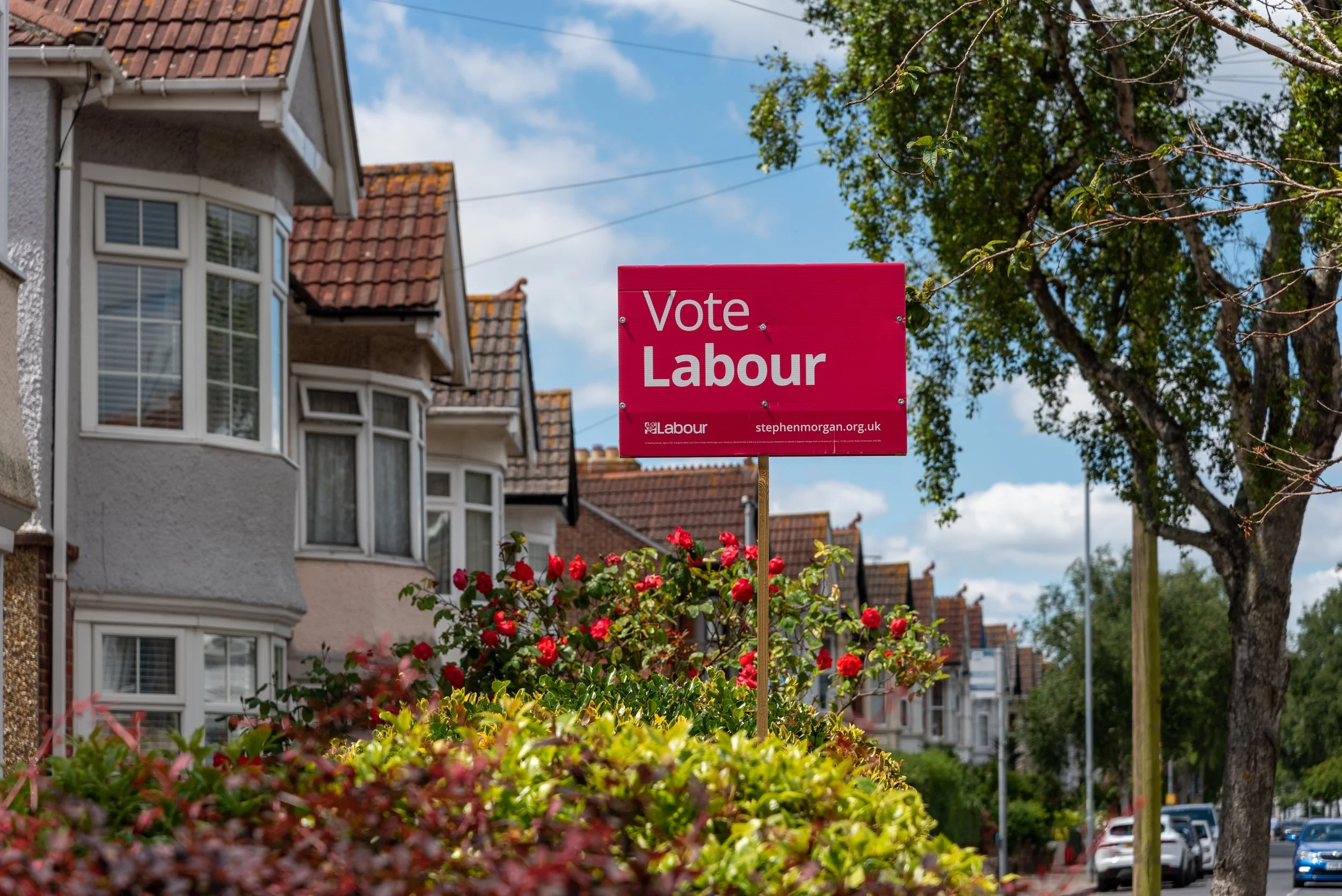
Labour’s conference in Liverpool this week has reinforced the importance of housing, regeneration and devolution to its growth agenda.
Alongside new commitments, ministers have emphasised the need to turn existing reforms into improvements that communities can actually see.
But what did Labour’s conference announce, and what does it mean for investors and developers?
No more NPPF rewrites. Delivery is the test
Housing Minister Matthew Pennycook told a conference fringe event that the Government is “not going to revise the NPPF again”. He indicated that its foundational changes to national planning policy are complete, although substantial work remains to make them effective on the ground.
This signals an intention to provide greater policy stability. Planning reform has not finished, but the emphasis is now on councils to put the revised framework into practice.
Pennycook also urged councils to show leadership on housing delivery and reiterated his willingness to intervene where necessary.
Stimulus for the housing sector
Announced immediately before conference, Your First Home is expected to support first-time buyers in England with deposits of 2.5% and government-backed equity loans of 20% on eligible new-build properties.
The detailed terms and implementation timetable will be confirmed at the Budget.
Drawing on the approach of Help to Buy, the scheme could stimulate demand, support new-build sales and give housebuilders greater confidence to bring sites forward. Its impact will depend on the eligibility rules and the contributions required from participating developers.
Alongside this, Angela Rayner outlined plans to strengthen councils’ ability to bring empty homes into use, secure accommodation for homeless households and purchase social homes being sold by providers. This continues the Government’s emphasis on greater public control over housing.
A continued focus on high streets and community ownership
The Government’s pre-conference £210m high streets package includes a £125m Derelict Buildings Fund, £65m to support valued community buildings and businesses, and funding for rental auctions and co-operative development.
The package draws on funding already earmarked for regeneration, with a fuller high streets strategy expected later this year. Its emphasis on restoring vacant buildings to productive use creates opportunities for partnerships between councils, communities and regeneration specialists.
More opportunities for mayors and councils to shape investment
Energy Secretary Miatta Fahnbulleh announced plans to devolve the Warm Homes Plan, giving mayors, councils and communities greater influence over investment in home upgrades.
The announcement builds on the Government’s earlier commitment to give mayors a share of income tax and greater retention of business rates. The detailed funding roadmap remains due at the Budget.
For investors and developers, this reinforces the importance of understanding regional priorities and engaging with combined authorities alongside individual councils.
Addressing barriers to growth
Plans for GB Grid aim to accelerate electricity connections, including opportunities for businesses to build connection infrastructure with potential public co-investment.
For developments constrained by power availability, the implementation of these proposals will be particularly relevant.
The Chancellor also announced an additional £100m over two years to expand mayor-led apprenticeship services from spring 2027, creating opportunities to connect development with local training and employment.
Conference offered the sector reasons for optimism, particularly through the proposed Your First Home scheme and the emphasis on making planning reforms work in practice.
For developers and investors, the potential is significant, but the detail will determine how quickly it has an impact.
The Budget will be the next test, giving the sector a firmer basis on which to plan investment.